
A primary reading series developed with UCL Institute of Education to help children become confident, independent readers.
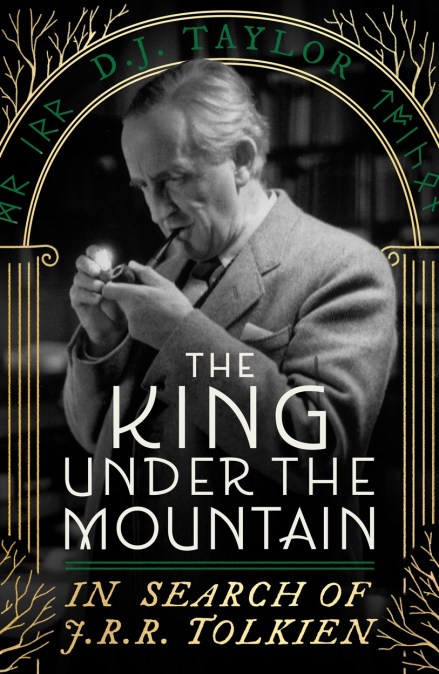
A provocative and suggestive account of the life of one of history’s most original literary giants: J. R. R. Tolkien.
Since his death in 1973, J.R.R. Tolkien’s major works – The Hobbit, The Lord of the Rings and The Silmarillion – have sold over half a billion copies, been made into prodigiously successful films and had an incalculable influence on the generations of fantasy writers who followed in their wake. But Tolkien himself remains an enigma – a deeply conservative Oxford don and a diehard Roman Catholic who regarded biography as a waste of time, was suspicious of literary criticism and jealously guarded his private life from an intrusive media.
Few major literary figures of the twentieth century are shrouded in such mystery. The King Under the Mountain unravels Tolkien’s life and work: part biography, part critical study and part a fan’s notes on the deepest recesses of Tolkien’s imaginative world, D. J. Taylor unpicks the myths that Tolkien created around himself, as well as the social, political and cultural contexts that informed his work with dazzling effect.
Since his death in 1973, J.R.R. Tolkien’s major works – The Hobbit, The Lord of the Rings and The Silmarillion – have sold over half a billion copies, been made into prodigiously successful films and had an incalculable influence on the generations of fantasy writers who followed in their wake. But Tolkien himself remains an enigma – a deeply conservative Oxford don and a diehard Roman Catholic who regarded biography as a waste of time, was suspicious of literary criticism and jealously guarded his private life from an intrusive media.
Few major literary figures of the twentieth century are shrouded in such mystery. The King Under the Mountain unravels Tolkien’s life and work: part biography, part critical study and part a fan’s notes on the deepest recesses of Tolkien’s imaginative world, D. J. Taylor unpicks the myths that Tolkien created around himself, as well as the social, political and cultural contexts that informed his work with dazzling effect.